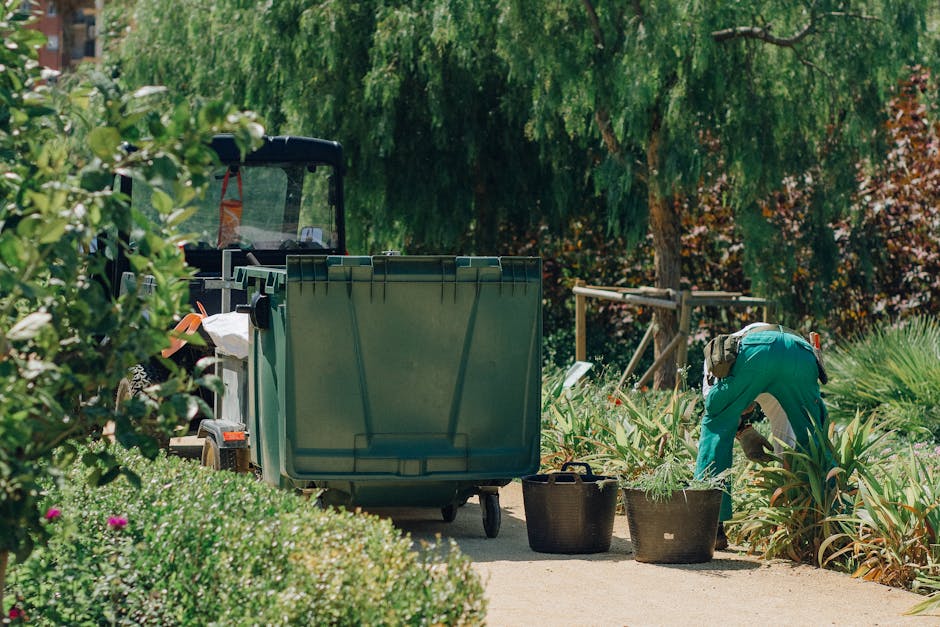
Garden maintenance for Tokyngton businesses premises and shops
If you run a shop, manage a small office, or look after business premises in Tokyngton, the outside space speaks before anyone does. A neat verge, clipped hedge, tidy frontage, and weed-free path quietly tell customers that the business is cared for. Let the garden slip, and people notice that too, sometimes before they even step inside.
Garden maintenance for Tokyngton businesses premises and shops is about more than looking nice. It helps protect first impressions, reduces slip and trip risks, keeps boundaries clear, and stops small issues turning into annoying, expensive jobs later on. In a busy local area, where foot traffic, deliveries, and limited upkeep windows all compete for attention, that matters a lot. This guide breaks down what commercial garden maintenance involves, how it works, what good service looks like, and how to choose the right approach for your premises.
To make things easier, we have also included practical steps, common mistakes, and a realistic checklist you can actually use. No fluff. Just the stuff that helps.
Table of Contents
- Why Garden maintenance for Tokyngton businesses premises and shops Matters
- How Garden maintenance for Tokyngton businesses premises and shops Works
- Key Benefits and Practical Advantages
- Who This Is For and When It Makes Sense
- Step-by-Step Guidance
- Expert Tips for Better Results
- Common Mistakes to Avoid
- Tools, Resources and Recommendations
- Law, Compliance, Standards, or Best Practice
- Options, Methods, or Comparison Table
- Case Study or Real-World Example
- Practical Checklist
- Conclusion
- Frequently Asked Questions
Why Garden maintenance for Tokyngton businesses premises and shops Matters
For business premises, outdoor upkeep is part of the customer experience. It is not just a backdrop. It frames the whole visit. A tidy entrance garden, well-cut lawn, and properly maintained boundary planting can make a shopfront feel inviting and organised, while neglected shrubs or mossy paving can make the same place feel tired and a bit forgotten.
In practice, garden maintenance supports three things at once: appearance, safety, and operational ease. That is why local businesses often need a routine, not a one-off tidy-up. We are talking about all the small jobs that keep things under control: mowing, trimming, clearing leaves, removing weeds, managing overgrowth, and keeping hard landscaped areas presentable.
There is also a reputational angle. Customers often assume that if the outside looks cared for, the business is probably careful inside too. Fair or not, that impression sticks. A smart frontage can help cafes, convenience stores, salons, medical practices, letting agents, offices, and mixed-use premises feel more dependable from the outset.
And then there is the practical side that people sometimes forget until it bites them. Overgrown hedges can block sightlines. Leaves and debris can make entrances messy. Trailing plants can encroach on walkways. It all feels minor until someone has to deal with a complaint, a maintenance call-out, or a disappointed customer standing in the rain at a mucky doorway.
How Garden maintenance for Tokyngton businesses premises and shops Works
Commercial garden maintenance is usually organised around a regular schedule and a clear scope of work. The exact plan depends on the site, the season, and how much planting or hard landscaping the premises has. A small shopfront with a couple of beds needs a very different approach from a business park entrance or a row of retail units with shared frontage.
In most cases, the process starts with a site review. This is where the gardener or maintenance team looks at access, plant condition, grass areas, weeds, hedges, edges, and any hazards such as broken paving, poor drainage, or overhanging branches. From there, the work is grouped into routine tasks and occasional heavier jobs.
Typical routine maintenance may include:
- lawn mowing and edging
- hedge trimming and shaping
- weed control in borders, paving joints, and gravel
- leaf clearance and green waste removal
- deadheading and pruning where appropriate
- litter and debris removal around entrances
- checking for encroachment onto paths, signs, or windows
More occasional work might involve hedge reductions, deeper garden clearance, tree work, or refreshing tired planting areas. For some sites, garden maintenance is paired with related services such as lawn care, patio cleaning, or garden clearance so the whole frontage stays coherent rather than half-done.
Communication matters as much as the tools. A good setup should make it clear who is responsible for what, how often the work happens, what happens in bad weather, and how urgent issues are reported. Simple, but it prevents the usual muddle. You know the kind: "I thought someone else was doing the hedge."
Key Benefits and Practical Advantages
The strongest argument for regular maintenance is not just that things look better, though that is obviously part of it. The real value is that maintenance keeps a commercial site easy to manage. The problems stay small. The frontage stays usable. Staff do not have to keep improvising around mess.
Here are the most useful benefits in day-to-day terms:
- Better first impressions: customers see a cared-for business before they reach the door.
- Lower trip and slip risks: clear paths, trimmed vegetation, and cleaner surfaces help reduce avoidable hazards.
- More consistent branding: the outside matches the quality you want the business to project.
- Less reactive spending: frequent light upkeep often costs less than letting a site deteriorate and then fixing everything at once.
- Better use of staff time: employees can focus on their actual jobs instead of sweeping leaves or cutting back a hedge with a kitchen pair of scissors, which, to be fair, nobody should be doing.
- Seasonal resilience: regular attention helps you stay ahead of spring growth, summer dryness, autumn leaf fall, and winter mess.
There is also a subtle customer comfort effect. A tidy exterior can make people more relaxed. If the front looks safe and orderly, they are less distracted before they walk in. That might sound small, but it absolutely shapes how a place feels.
Expert summary: For Tokyngton businesses and shops, good garden maintenance is really a blend of presentation management, risk reduction, and sensible planning. The best results come from steady upkeep, not dramatic rescue jobs.
Who This Is For and When It Makes Sense
This type of maintenance is a good fit for any business that has visible outdoor space, shared frontage, planted borders, grass, hedging, or access routes that customers or staff use regularly. The more public the site, the more important the upkeep becomes.
It is especially relevant for:
- independent shops with front beds or pavement-side planting
- offices with entrance landscaping
- cafes and takeaways with outdoor seating edges or planters
- medical, wellness, or beauty businesses where presentation affects trust
- managed premises and rental units with communal outdoor areas
- trade counters and small commercial estates with visible access routes
It also makes sense when a site is not yet a maintenance disaster, but you can already feel it drifting. Maybe the hedge is starting to crowd the signage. Maybe weeds are showing up faster than they are being pulled. Maybe the lawn is patchy and looked fine in May but by late summer it is a bit sorry for itself. That is usually the moment to put a proper routine in place.
If the space is heavily overgrown or has been neglected for a while, a one-off reset may be needed before routine upkeep can begin. After that, maintenance becomes much easier. Much easier.
Step-by-Step Guidance
If you are setting up commercial garden maintenance for the first time, the simplest way to approach it is to break the job into steps. That keeps the work practical and stops it feeling vague.
- Walk the site properly. Look at the entrance, side access, borders, hedges, paths, and any shared areas. Note what customers see first.
- Separate routine tasks from occasional tasks. Mowing and weeding may be weekly or fortnightly in growing months. Larger pruning or clearance might only be needed a few times a year.
- Set priorities. Safety-critical work comes first. Then high-visibility areas. Then less visible corners.
- Agree the schedule. Commercial sites usually benefit from predictable timing, especially if customers arrive early or deliveries come at set hours.
- Choose the right service mix. Some sites only need basic garden care. Others need hedge trimming, lawn work, and occasional support from landscaping or landscape gardening.
- Decide waste handling. Green waste should be removed, recycled where possible, and not left piling up in bins or corners.
- Review after the first few visits. A business frontage often reveals what it really needs only after the work starts. That is normal.
A small but useful tip: ask for a photo-based before-and-after review if you manage multiple units or if the premises owner is not on site every day. It saves time, and honestly, it helps everyone stay on the same page.
Expert Tips for Better Results
In our experience, the best commercial garden maintenance plans are the boring ones. Not boring in a bad way. Boring in the sense that they are steady, predictable, and do not keep turning into emergencies.
Here are a few things that usually improve results:
- Keep sightlines open. Trim back growth that blocks windows, entrances, signage, or CCTV views.
- Use the seasons intelligently. Spring growth needs more frequent visits. Autumn leaf fall needs quick reaction. Winter is a good time for structural checks and tidying.
- Do not overcut lawns. Cutting too low can stress grass, especially in dry spells. Shorter is not always better.
- Edge regularly. A sharp edge around paths or beds makes a site look cleaner even if the planting is simple.
- Refresh mulch or gravel where needed. It helps with weed suppression and makes tired beds look finished.
- Watch access points after rain. Wet leaves, soil splashes, and moss can build up fast near doorways and paths.
- Think about what customers touch. Overhanging branches, thorny shrubs, and low planting near walkways can all create awkward little issues.
If you have trees or large mature planting on site, you may need specialist support from tree surgery or tree lopping and removal rather than standard garden maintenance alone. That distinction matters more than people think.
One more thing: keep a simple record of visits, completed tasks, and recurring issues. It sounds almost too plain, but it is the sort of thing that makes future decisions much easier.
Common Mistakes to Avoid
A lot of businesses only think about garden care when something has already become obvious to customers. The hedge is blocking the sign. The weeds are knee-high. The patio is grubby and a bit slippery. At that point, the job has already become more awkward than it needed to be.
Here are the most common mistakes:
- Only booking one-off tidy-ups: this can leave the site looking great for a week and then messy again almost immediately.
- Ignoring hard surfaces: patios, paths, and paved entrances matter as much as planting.
- Letting weeds establish in cracks and edges: small weeds are easy. Rooted-in weeds are not.
- Forgetting shared boundaries: if your greenery spills into neighbouring property or public-facing space, it can create friction.
- Using untrained staff for risky tasks: ladders, high hedges, and branch work need proper care.
- Not matching maintenance to footfall: a busy shopfront may need more frequent attention than a quieter premises.
Truth be told, the biggest mistake is assuming that "outside" takes care of itself. It never really does. Plants keep growing, leaves keep falling, and the weather does its own thing whether we like it or not.
Tools, Resources and Recommendations
You do not need a complicated toolkit to maintain a business frontage well, but you do need the right approach for the site. Good equipment helps, yes. Good judgement matters more.
Useful tools and supplies often include:
- lawn mowers suited to the size of the grass area
- strimmers for edges and awkward corners
- hedge trimmers for shaping and reduction
- pruners and loppers for smaller woody growth
- leaf blowers or rakes for seasonal debris
- weed removal tools for beds, joints, and gravel
- pressure or patio cleaning equipment for suitable hard surfaces
For businesses that want one supplier to cover multiple outdoor tasks, a service blend can be more efficient than booking separate contractors for everything. For example, a frontage might need lawn mowing, hedge trimming, and occasional patio cleaning across the year. That keeps the site looking coordinated rather than patchworked.
If the outside area has become cluttered with old pots, broken branches, or a build-up of cuttings, garden clearance may be the better starting point before regular maintenance begins.
Law, Compliance, Standards, or Best Practice
Commercial garden maintenance in the UK does not usually involve complex paperwork for every small task, but there are still important responsibilities to keep in mind. The main one is simple: the outside area should be managed safely and responsibly.
For business premises, that normally means paying attention to:
- slip and trip risks: wet leaves, loose gravel, muddy paths, and mossy surfaces should be addressed promptly
- access routes: entrances, fire exits, delivery points, and shared walkways should stay clear
- safe working methods: cutting high hedges, using power tools, and working near public areas should be handled carefully
- waste handling: green waste should be removed or managed in line with the agreed service and local expectations
- public safety: tools, cables, and debris should not be left where customers or staff can trip over them
Best practice also means using an insured, safety-conscious contractor where needed, especially if work involves ladders, tree work, or busy customer access. If you want to understand how a provider approaches risk, it is sensible to review their health and safety policy and insurance and safety information.
For businesses that care about waste reduction, it can help to ask how green waste is handled and whether recycling is part of the routine. A provider with clear recycling and sustainability practices is often a better fit for sites trying to keep things tidy and responsible at the same time.
And because commercial relationships should be clear from the outset, it is always worth checking terms and conditions and payment and security details before work starts. That is not red tape for the sake of it. It just avoids awkward surprises.
Options, Methods, or Comparison Table
Businesses usually choose one of three approaches: light reactive tidy-ups, regular maintenance, or fuller grounds care. Which one fits depends on the site, the season, and how much public visibility the frontage has.
| Approach | Best for | Pros | Watch-outs |
|---|---|---|---|
| Reactive one-off work | Sudden mess, seasonal clear-ups, neglected spaces | Fast visible improvement | Does not prevent the problem returning |
| Scheduled maintenance | Shops, offices, and premises with regular footfall | Consistent appearance, easier budgeting | Needs proper planning and follow-through |
| Combined grounds and landscaping support | Larger sites, shared entrances, mature planting, mixed surfaces | More comprehensive control over the whole exterior | May require wider coordination and clearer scope |
For most Tokyngton shops and smaller premises, scheduled maintenance is the sweet spot. It is practical, sensible, and less dramatic than the rescue-and-repeat cycle that many people end up in by accident.
That said, a one-off reset can still be the right first move. Sometimes the outside space needs a fresh start before it can be maintained properly. No shame in that.
Case Study or Real-World Example
Imagine a small independent shop on a mixed high street. The frontage has two narrow beds, a short hedge beside the entrance, and a paved area that customers walk across to get to the door. At first glance, it looks manageable. But after a few months without consistent care, the hedge starts leaning into the window display, weeds show through the paving joints, and the planted area looks untidy rather than welcoming.
A simple maintenance plan changes the picture quickly. The hedge is trimmed back to restore light and visibility. The weeds are removed before they spread. The paving is cleaned and swept. The bed edges are neatened. Nothing dramatic, just steady improvement. By the second or third visit, the frontage starts feeling intentional again.
The interesting part is that the owner usually notices more than visual improvement. Staff stop worrying about the entrance looking shabby. Customers are not stepping around stray debris. Delivery drivers can see the access point more clearly. The whole place feels calmer. A bit of order goes a long way, especially on a busy morning when the shutters go up and the first customers are already at the door.
Practical Checklist
Use this checklist if you want to assess whether your premises are ready for routine maintenance or need a more immediate reset:
- Are entrances, walkways, and access points clear?
- Are hedges, shrubs, or climbers blocking signs, windows, or lighting?
- Are weeds growing in borders, cracks, or gravel?
- Does the lawn need mowing, edging, or repair?
- Are leaves, branches, or litter building up near customer areas?
- Do hard surfaces need sweeping or cleaning?
- Is there any overgrowth affecting visibility or safety?
- Are bins, storage items, or clutter making the outside space look untidy?
- Do you have a regular schedule, or is everything being done only when it becomes obvious?
- Have you agreed who is responsible for waste removal and follow-up?
If several of those answers are currently "not really", that is your sign. Not a disaster. Just a sign that it is time to get organised.
Conclusion
Garden maintenance for Tokyngton businesses premises and shops is one of those jobs that quietly supports everything else. It keeps the outside presentable, helps customers feel confident, and reduces the little risks that build up when outdoor spaces are left to fend for themselves. For commercial sites, that steady care is often more valuable than occasional big efforts.
The best results usually come from simple habits: regular visits, clear priorities, proper waste handling, and a maintenance plan that fits the site rather than forcing the site to fit the plan. If you get those basics right, the frontage starts working for you instead of against you.
Get a free quote today and see how much you can save.
And if you are still weighing things up, that is fine too. Sometimes the smartest move is just to start with a clear walk-through, a little common sense, and a plan you can actually stick with.
Frequently Asked Questions
How often do Tokyngton businesses need garden maintenance?
It depends on the size of the site, the amount of planting, and how visible the frontage is. Busy shopfronts often benefit from weekly or fortnightly attention in the growing season, while smaller or simpler premises may need less frequent visits.
What is usually included in commercial garden maintenance?
Common tasks include mowing, hedge trimming, weeding, pruning, sweeping, leaf clearance, and removing green waste. Some sites also need patio cleaning, clearance work, or occasional landscaping support.
Is garden maintenance different from landscaping?
Yes. Maintenance is about keeping an existing outdoor space tidy, safe, and healthy. Landscaping usually refers to creating, changing, or improving the layout and structure of the space.
Can garden maintenance help reduce slip and trip risks?
Yes, especially when it includes clearing leaves, removing debris, managing moss, and keeping paths and entrances free from overgrowth. It is one of the simplest ways to keep commercial access areas safer.
What if the outside area is badly overgrown?
In that case, a garden clearance or one-off reset is often the best starting point before regular maintenance begins. Trying to maintain a neglected site without clearing it first can make the job harder than it needs to be.
Do shops and premises need different maintenance plans?
Sometimes. Shops often need more attention to front-facing areas and customer access points, while premises such as offices or managed units may need broader coverage across shared spaces and entrances.
Should business owners choose a regular plan or one-off visits?
For most commercial sites, regular maintenance is the better choice because it keeps the frontage consistent and avoids repeated catch-up jobs. One-off visits are useful for seasonal tidy-ups or urgent situations, but they rarely solve the underlying problem.
What should I ask before hiring a garden maintenance provider?
Ask what is included, how often visits happen, how waste is removed, how safety is handled, and whether the plan can be adjusted through the seasons. It is also sensible to check insurance, terms, and payment details.
Can maintenance include hard surfaces as well as planting?
Yes. A good commercial outdoor plan often includes sweeping, debris removal, and cleaning of patios or paved areas. A neat bed next to a dirty path still looks half-finished, so the whole space matters.
How do I know if the service is good value?
Look at reliability, clarity, and results rather than price alone. Good value usually means the site stays under control, the work is consistent, and you are not constantly paying for emergency fixes.
What if my business has trees or large shrubs on site?
Large shrubs may be manageable within routine maintenance, but trees often need specialist attention. If branches are overgrown, unsafe, or affecting the premises, tree surgery or tree removal services may be more appropriate.
How can I keep the frontage looking tidy between visits?
Small habits help: sweep loose debris, empty visible litter, check bins, and keep an eye on weeds and fallen leaves. Nothing fancy. Just a quick look each week can prevent a lot of little messes from stacking up.