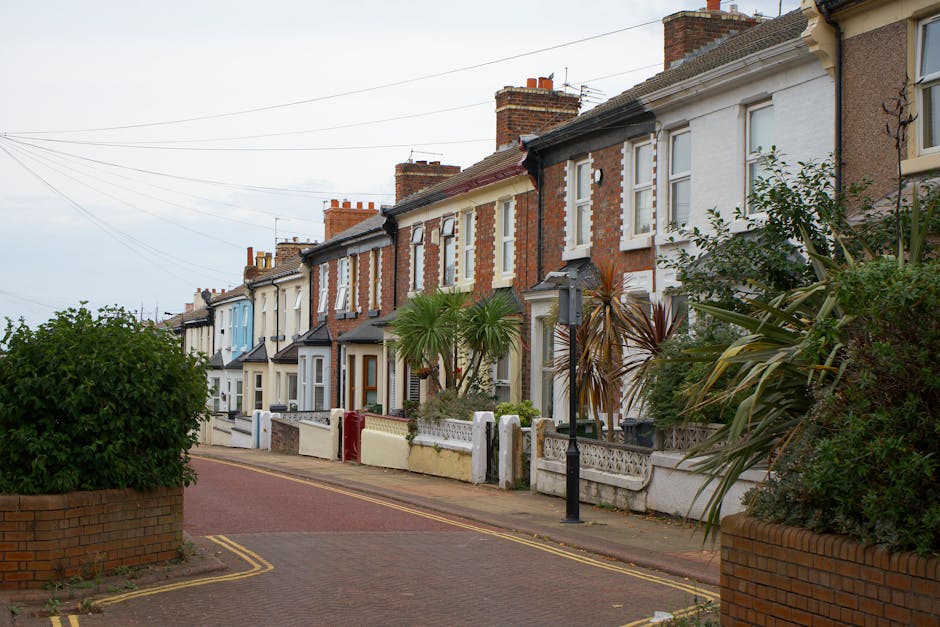
Ealing Road gardeners trusted maintenance for terraces
Terraced gardens can look charming one week and slightly unruly the next. Narrow access, shaded corners, overgrown borders, awkward paving, and the general "I'll sort it at the weekend" problem all pile up quickly. That is exactly why Ealing Road gardeners trusted maintenance for terraces matters: it keeps small outdoor spaces tidy, healthy, and usable without turning your life into a constant gardening catch-up.
In a terrace, every square metre has to work hard. A bit of pruning here, a little lawn care there, some sensible planting, and proper patio upkeep can make the difference between a space you enjoy and one you avoid. This guide explains what terrace maintenance involves, how it works, what to expect from a dependable service, and how to make smart decisions for long-term results. If you are weighing up professional help, you will also find practical tips, a comparison table, and a checklist you can actually use.
One thing is worth saying upfront: good garden maintenance is not just about "making it look nice". It's about preventing small problems from becoming expensive or time-consuming later on. A damp patio left slick through winter, a hedge left to sag into a neighbour's boundary, or weeds left to seed in a tiny bed can become a bigger nuisance than most people expect. Funny how that happens, really.
Table of Contents
- Why Ealing Road gardeners trusted maintenance for terraces Matters
- How Ealing Road gardeners trusted maintenance for terraces Works
- Key Benefits and Practical Advantages
- Who This Is For and When It Makes Sense
- Step-by-Step Guidance
- Expert Tips for Better Results
- Common Mistakes to Avoid
- Tools, Resources and Recommendations
- Law, Compliance, Standards, or Best Practice
- Options, Methods, or Comparison Table
- Case Study or Real-World Example
- Practical Checklist
- Conclusion
- Frequently Asked Questions
Why Ealing Road gardeners trusted maintenance for terraces Matters
Terraces are brilliant for character, but they are not always forgiving. They often have limited access, tighter layouts, shared boundaries, and a mix of paving, beds, steps, fencing, and container planting. That means maintenance has to be thoughtful. Not rushed. Not random. Thoughtful.
Trusted terrace maintenance keeps a garden in a stable, presentable condition through the year. It helps protect surfaces from moss and algae, keeps plants proportioned to the space, and prevents clutter from swallowing the garden's best features. In practical terms, that means you can sit outside, open the back door without a sigh, and feel like the space belongs to you again.
There's also a trust element that matters locally. In terrace settings, gardeners often work close to homes, neighbours, side passages, bins, gates, and sometimes pets or children. A dependable team understands how to work tidily, communicate clearly, and leave everything safer than they found it. That's not a small thing. It changes the whole experience.
For many homeowners, regular upkeep is also the difference between reactive and preventative care. A quick trim today is cheaper and simpler than a major clear-out after months of growth. If a terrace has started to feel overrun, bringing life back to a tired and overrun garden is often less about grand redesign and more about steady, consistent maintenance.
How Ealing Road gardeners trusted maintenance for terraces Works
Good terrace maintenance usually begins with a simple assessment. A gardener looks at what is growing, what is failing, what is causing friction, and what needs immediate attention. On a terrace, that assessment tends to cover access, drainage, paving, containers, beds, hedges, fences, and how much light each part of the space actually gets. Light matters more than people think.
From there, the work is usually split into recurring tasks and occasional interventions. Recurring tasks might include mowing, edging, weeding, hedge trimming, deadheading, watering checks, and clearing debris. Interventions may include restoring a neglected patio, reshaping shrubs, improving soil, or dealing with worn fence panels and broken planting supports.
The key is rhythm. Terrace gardens respond well to regular, lighter maintenance rather than one huge tidy-up every few months. That is especially true in London, where weather swings and shaded spaces can quickly encourage moss, mildew, and soft growth. If you want a garden that stays usable, the job is not to fight nature every week. It is to guide it.
For some homes, maintenance is mostly about appearance. For others, it's about making space work for family life, pets, or even a little desk-break calm on a summer evening. If you are thinking more holistically, ideas from mastering garden seating for a perfect outdoor retreat can help you see how regular upkeep supports comfort as well as looks.
Key Benefits and Practical Advantages
There are plenty of obvious reasons to maintain a terrace, but the best ones are practical. You get a space that looks cared for, yes, but you also get fewer headaches. Less slip risk. Less pest pressure. Better planting health. More privacy. More usable square footage. In a compact garden, those gains really add up.
- Cleaner, safer surfaces: Regular patio cleaning reduces algae, dirt build-up, and the slippery film that often appears in shaded corners.
- More manageable growth: Hedge trimming and pruning keep plants from crowding narrow paths or covering windows.
- Better long-term plant health: Soil care, feeding, and sensible watering help plants cope with terrace microclimates.
- Improved privacy: Structured planting and hedge maintenance can soften sightlines from neighbouring properties.
- Less weekend stress: You are not constantly playing catch-up after a busy month.
A smaller space also makes poor maintenance more visible. A single untidy border can dominate the whole view. That is why a terrace benefits from disciplined, repeated care rather than occasional bursts of effort. If you are choosing plants to suit a compact layout, ground cover plants for UK gardens can be a smart way to reduce bare soil and suppress weeds without crowding the garden.
And let's be honest, a terrace that feels calm and usable is easier to enjoy after work. You step outside, hear a bit of rustling, maybe smell damp soil after rain, and the whole thing feels more like a room than a chore. That is the real payoff.
Who This Is For and When It Makes Sense
Terrace maintenance is for anyone who wants their outdoor space to stay neat without spending every spare hour on it. But it is especially useful if your garden is narrow, shaded, overlooked, difficult to access, or packed with mixed features that need different kinds of care.
It also makes sense if you have a busy routine. Professionals, families, landlords, older homeowners, and people who travel often all tend to benefit from predictable upkeep. A terrace does not wait politely while life gets busy; it just keeps growing. Mildly rude, really.
It can also be the right choice if you have a clear garden goal. Maybe you want a more private outdoor retreat, or a cleaner space for children, or a safer route to the shed, or simply a better first impression when guests look out from the kitchen. Those goals often need the same foundation: good maintenance.
For properties with fences, climbers, or boundaries that need attention, it may be helpful to combine maintenance with related services such as fencing support or hedge trimming when plants and boundary structure start affecting each other.
Step-by-Step Guidance
If you want terrace maintenance to feel manageable, break it into stages. Here is a sensible approach that works well in real homes, not just on tidy advice pages.
- Walk the garden properly. Start by looking at the terrace as a whole. Note slippery patches, weeds, dead growth, blocked drainage, leaning containers, and anything that feels out of balance.
- Prioritise safety and access. Clear paths, repair hazards, and make sure gates, steps, and patio edges are usable.
- Tackle the big visual problems first. Overgrown shrubs, tired planting, and dirty paving usually have the biggest impact on how the space feels.
- Set a maintenance rhythm. Weekly, fortnightly, or monthly visits may be enough depending on the garden's size and growth rate.
- Choose the right plant care routine. Some plants need pinching back, some need seasonal pruning, and some just need consistent watering and feeding.
- Keep records of recurring issues. If one corner always gets mossy or one plant always collapses, adjust the routine rather than fighting the same problem forever.
On terraces, the details matter. A small amount of patio dirt can change the whole tone of the space. A few weeds left to flower can seed into the next round of maintenance. One neglected climber can shade out a border. Nothing dramatic. Just enough to be annoying. The good news? Regular care prevents the spiral.
Expert Tips for Better Results
There are a few practical habits that make terrace maintenance noticeably better. These are the kinds of things a careful gardener keeps doing, even when nobody is watching.
- Work with the light: In shady terraces, use plants that tolerate lower light and avoid overcrowding. If you want ideas for dim corners, evergreen climbers for darker areas can be a useful starting point.
- Keep soil alive: Healthy soil makes everything easier. Compost, mulch, and sensible feeding reduce stress on both containers and beds. You may also find building nutritious soil from garden waste helpful if you like improving the ground without wasting materials.
- Don't ignore winter: A terrace can look fine in September and then turn battered by January. Seasonal protection matters. There is a reason so many gardeners plan ahead with winter garden care.
- Use containers wisely: Pots are brilliant for terraces, but they need watering discipline and occasional repositioning. A useful refresher is container gardening for beginners.
- Trim little and often: Especially on hedges and trained shrubs. Small trims are cleaner and less stressful for the plant than sudden heavy cuts.
If you are after a calmer feel rather than a busy planting scheme, think about structure. Simple lines, a few repeated plants, and one or two focal points go a long way. The terrace should feel edited, not overcrowded. That's the trick.
Common Mistakes to Avoid
Terrace gardens are compact enough that mistakes show quickly. The most common one is overfilling the space. People buy too many plants, add too many pots, and suddenly there is nowhere to move. It looks lush for about a week, then becomes a hassle.
Another mistake is inconsistent care. A terrace that gets a heroic tidy-up in spring but almost nothing after that often ends up worse by autumn. Small tasks are more valuable than dramatic rescue missions. Truth be told, the rescue mission is usually more exhausting anyway.
- Letting weeds seed in borders or paving joints
- Ignoring drainage until the patio becomes slippery or waterlogged
- Pruning shrubs at the wrong time of year
- Choosing plants that outgrow the space
- Forgetting to clean tools, pots, and edging equipment
- Skipping boundary and fence checks until something breaks
One more subtle mistake: treating every terrace like a sunny suburban lawn. Many urban gardens have shade, reflected heat, wind tunnels, or awkward moisture patterns. If a design is going to work, it has to match the actual conditions, not the ideal ones. If that sounds familiar, protecting your garden from weather damage is worth a look.
Tools, Resources and Recommendations
The right tools do not need to be fancy. They just need to be reliable and suited to a compact space. In terrace maintenance, bulky equipment can be awkward, so lighter, cleaner systems often work better.
| Task | Useful tools | Why it helps on a terrace |
|---|---|---|
| General tidy-up | Hand pruners, gloves, leaf rake, garden bag | Easy to move through narrow paths and small beds |
| Patio upkeep | Stiff brush, suitable cleaner, watering can or hose | Helps lift dirt, algae, and debris from hard surfaces |
| Plant care | Secateurs, trowel, compost, mulch | Supports healthy growth without overcomplicating the routine |
| Boundary control | Long-reach trimmer, support ties, basic ladder or step tool | Keeps hedges and climbers tidy in tight spaces |
| Seasonal prep | Fleece, pot feet, spare ties, wind protection | Helps terrace plants cope with exposed or cold conditions |
For some homeowners, the smartest "tool" is actually a service schedule. Regular garden maintenance can simplify everything, especially if you need garden maintenance support, ongoing lawn care, or occasional patio cleaning to keep the space feeling fresh.
You may also want to check what a provider can offer beyond the basics. Some terraces benefit from broader gardening services or targeted work such as lawn mowing and light landscaping if the layout needs a better finish.
Law, Compliance, Standards, or Best Practice
For most domestic terrace gardens, the main concern is not heavy regulation but sensible best practice. That said, there are a few things worth keeping in mind. A professional gardener should work safely, respect neighbouring properties, avoid nuisance where possible, and handle waste responsibly. In shared or close-quarters settings, courtesy is not optional. It is part of the job.
If trees or larger woody growth are involved, care needs to be taken with pruning and access. Some work may cross into more specialised territory, which is where a service like tree surgery becomes relevant. The point is to avoid doing more than is safe or appropriate with ordinary garden tools.
Good providers should also be clear about insurance, health and safety, complaints handling, payment security, and terms. These are not glamorous topics, granted, but they matter. If a company is easy to talk to about insurance and safety, health and safety policy, terms and conditions, and payment and security, that is generally a good sign.
There is also value in transparency. A provider with a clear pricing and quotes approach and a straightforward complaints procedure tends to be easier to trust. It's not complicated, but it is reassuring.
Options, Methods, or Comparison Table
If you are deciding how to manage a terrace, it helps to compare the main approaches side by side. None of them is perfect for everyone. The right fit depends on your time, the size of the garden, and how much consistency you want.
| Approach | Best for | Strengths | Trade-offs |
|---|---|---|---|
| DIY only | Small, simple terraces and confident gardeners | Lower direct cost, full control | Easy to fall behind, equipment needed, time heavy |
| Occasional tidy-up visits | Gardens that need periodic rescue | Good for clearing backlogs and seasonal jobs | Maintenance gaps can return quickly |
| Regular maintenance | Busy homeowners and terraces with mixed planting | Consistent, neat, preventative, easier to budget for | Requires commitment to a schedule |
| Full garden service mix | Terraces needing wider improvements | Covers many tasks through one provider | May be more than some gardens need |
For many households, a regular service paired with occasional upgrades is the sweet spot. You keep the garden under control, but you also leave room for small improvements over time. That balance matters more than chasing perfection.
Case Study or Real-World Example
Imagine a mid-terrace garden that had slowly slipped into that familiar state: a patchy strip of lawn, three oversized pots, a hedge leaning into the path, and a patio with a green sheen after rain. Nothing dramatic. Just enough to make the owner avoid the back door for a while.
The first visit focused on clearing access and resetting the basics. Dead material came out. The hedge was trimmed back carefully. The patio was cleaned. The containers were reshuffled so the space felt wider, not tighter. After that, the maintenance plan became simpler: light fortnightly visits through the growing season, then a seasonal review before colder weather arrived.
What changed most was not just the appearance. It was the use of the space. The owner started sitting outside again after dinner, even on slightly cloudy evenings when the light had that soft grey-blue London feel. That, honestly, is often the win. Not a "show garden" effect. Just a terrace you actually live in.
When the planting plan was refreshed, a few low-maintenance choices were added, and the soil was improved gradually rather than in one big overhaul. If a space like that needs extra resilience, the guidance in budget-friendly garden ideas for low-effort beauty and vertical gardening as a space-saving solution can be especially useful.
Practical Checklist
Use this quick checklist to see whether your terrace maintenance is on the right track:
- Paths and patio areas are clear, clean, and safe to walk on
- Weeds are being removed before they set seed
- Hedges and shrubs are not blocking access or light
- Plants suit the available sun, shade, and shelter
- Containers drain properly and are not cracking or wobbling
- Soil is being fed or refreshed when needed
- Climbers and boundary plants are trained rather than left to sprawl
- Seasonal protection is in place for wind, frost, or heavy rain
- Waste is being cleared regularly, not left to build up
- You have a realistic maintenance schedule, not an optimistic wish
If the answer to several of those items is "not really", that does not mean the terrace is beyond help. It usually means it needs a more consistent system. Small corrections go a long way in compact gardens.
Get a free quote today and see how much you can save.
Conclusion
Ealing Road terraces deserve care that fits their shape, pace, and everyday reality. The best maintenance is not flashy. It is steady, practical, and built around what the space actually needs. With the right routine, a terrace can stay neat through the seasons, feel more private, and become one of the most enjoyable parts of the home.
Whether your priority is safer paving, cleaner edges, healthier planting, or simply less weekend pressure, trusted maintenance gives you a reliable way to stay ahead. And once the basics are under control, the rest becomes more enjoyable too. You notice the scent of clipped growth, the sound of leaves moving in a breeze, the simple pleasure of stepping outside without having to apologise to yourself first. That part matters.
If you are ready to make your terrace easier to live with, a calm, consistent approach is usually the smartest one. Not perfect. Just properly looked after. That's enough, and then some.
Frequently Asked Questions
What does terrace garden maintenance usually include?
It normally includes weeding, pruning, hedge trimming, lawn care where relevant, patio cleaning, seasonal plant care, waste removal, and general tidying. Some terraces also need support with boundaries, containers, or soil improvement.
How often should a terraced garden be maintained?
That depends on planting density and how fast the garden grows, but many terraces benefit from fortnightly or monthly attention during the growing season. Heavier jobs are often done seasonally.
Why are terrace gardens harder to maintain than larger gardens?
Because every issue is more visible in a smaller space. A bit of moss, one overgrown shrub, or a few weeds can make the whole area feel cluttered. Access can also be tighter, which makes good planning more important.
Can regular maintenance make a terrace look bigger?
Yes. Tidy edges, controlled planting, cleaner paving, and well-placed containers can create a stronger sense of space. Vertical structure and simple repetition often help too.
Is patio cleaning worth it for a small terrace?
Very often, yes. Dirty or slippery paving can make a terrace feel neglected and unsafe. A clean patio usually has an outsized effect on how the whole garden looks and functions.
What should I ask before hiring a gardener for terrace maintenance?
Ask what tasks are included, how often visits are recommended, whether waste removal is covered, what happens in bad weather, and how the service handles insurance, safety, and payment. Clear answers are a good sign.
Do terraced gardens need different plants from other gardens?
Often they do. Terraces can be shadier, windier, or more enclosed than larger plots. Compact, resilient, and low-maintenance planting usually performs better than ambitious but needy displays.
How can I reduce weeds in a terrace garden?
Regular weeding, mulch, ground cover, and cleaner paving joints all help. The main thing is not letting weeds get established in the first place. That's always easier than a full clear-out later.
Can terrace maintenance include privacy improvements?
Yes. Hedge trimming, climbers, screening plants, and boundary care can all help reduce overlooking and make the space feel more enclosed without making it feel cramped.
What if my terrace garden has very little sunlight?
Then maintenance should focus on shade-tolerant planting, careful watering, and avoiding overcrowding. It can still look excellent. You just have to work with the light you've got, not the light you wish you had.
How do I know if my garden needs a one-off tidy-up or ongoing maintenance?
If the space is simply overdue for a reset, a one-off tidy-up may be enough. If problems keep returning, or if you want the garden to stay consistently neat, ongoing maintenance is usually the better choice.
What is the best first step if my terrace has become overgrown?
Start with access and safety, then clear the worst growth, clean the hard surfaces, and reset the most visible planting areas. If you want to see how a neglected garden can be turned around, reviving a tired and overrun garden is a helpful way to think about that process.