
 020 3744 3778
Your Guide to Starting a Lush Herb Garden
Posted on 13/09/2025
Your Guide to Starting a Lush Herb Garden
Have you ever dreamed of stepping outside to snip fresh basil for your pasta or fragrant mint for your tea? Starting a lush herb garden is a rewarding pursuit for both culinary enthusiasts and nature lovers. With the right knowledge and planning, you can cultivate a thriving sanctuary of aromatic, edible plants just outside your door (or even on your windowsill). This comprehensive guide will walk you through every step, from picking the perfect herbs to harvesting and using your homegrown botanicals.
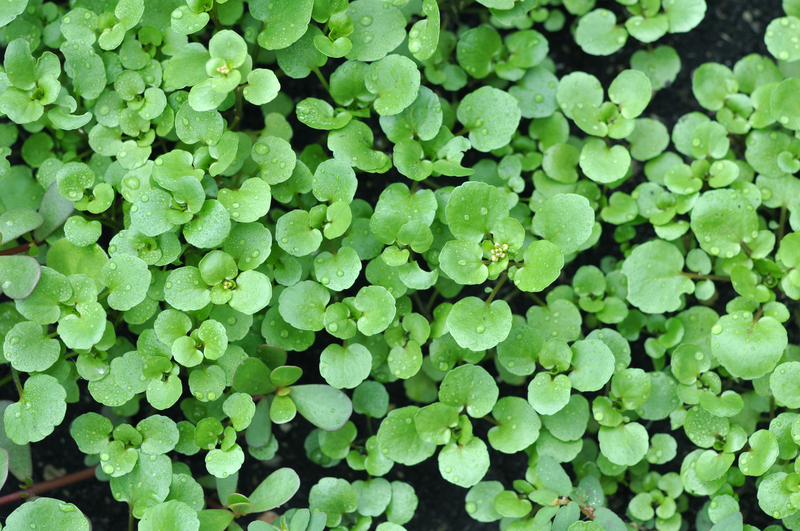
Why Grow Your Own Herb Garden?
Herb gardening isn't just about flavor; it's about health, sustainability, and joy:
- Freshness: Herbs lose flavor after harvest. Enjoy maximum taste and nutrition with herbs plucked minutes before meals.
- Cost-effective: A packet of seeds often costs less than a single bunch of store-bought herbs.
- Eco-friendly: Reduce food miles and packaging by growing at home.
- Diverse uses: Many herbs offer medicinal, culinary, and even aesthetic value in your home or landscape.
- Therapeutic: Tending a lush herb garden can lower stress and connect you with nature.
Essential Considerations Before Planting Herbs
Location: Light and Space Requirements
Most culinary herbs thrive in full sunlight. Ideally, your chosen spot should receive at least 6-8 hours of direct sunlight daily. Assess whether you have:
- A backyard patch
- A raised garden bed
- Balcony or patio space for containers
- A sunny windowsill for indoor herb gardening
Tip: If your space is limited or shaded, opt for shade-tolerant herbs such as parsley, cilantro, or chives.
Soil Preparation for a Thriving Herb Oasis
Healthy, well-draining soil is a cornerstone for any lush home herb garden. Most herbs dislike soggy roots. Here's how to prime your plot:
- Test your soil: Use a pH kit. Most herbs prefer a neutral to slightly alkaline pH (6.0 to 7.5).
- Improve drainage: Amend heavy clay with compost, sand, or perlite.
- Enrich soil: Mix in organic matter or aged manure for nutrients.
Choose Between Seeds or Starter Plants
Seeds provide more variety and greater economy, while starter plants offer instant gratification and faster harvests. Many gardeners use a blend of both. Easy-to-grow herbs like basil, cilantro, and dill can be started from seed, while slower growers (like rosemary or thyme) may be better as young plants.
The Best Herbs for Beginners
There are hundreds of herbs available, but some are especially reliable for novice gardeners. Here's a list to jumpstart your lush herb garden journey:
Essential Culinary Herbs
- Basil: Annual. Loves warmth and sun. Perfect for Italian and Southeast Asian cuisine.
- Parsley: Biennial. Can tolerate some shade. Great garnish or salad herb.
- Chives: Perennial. Hardy and easy for windowsills.
- Cilantro: Fast-growing but bolts in heat. Plant frequently for a steady supply.
- Mint: Perennial. Best grown in pots to contain its spread.
- Thyme: Low-growing, sun-loving, and drought-tolerant.
- Rosemary: Woody perennial. Needs good drainage and sun.
- Oregano: Spreads easily and is a staple for Mediterranean dishes.
- Dill: Seeds and leaves both edible. Attracts pollinators.
- Sage: Aromatic, used in savory dishes; attractive gray-green leaves.
Medicinal & Specialty Herbs
- Lemon balm: Soothing tea herb, also repels mosquitoes.
- Lavender: Fragrant blooms for sachets and culinary use.
- Chamomile: Classic calming tea herb.
- Stevia: Natural sweetener alternative to sugar.
Planning Your Lush Herb Garden Layout
Garden Bed or Pots?
- Traditional garden bed: Ideal if you have yard space. Mix herbs in amongst flowers or vegetables for a cottage garden look.
- Raised beds: Easier to control soil, great drainage, and less back strain.
- Containers or window boxes: Flexible, portable, and perfect for patios or urban settings.
Sun Requirements and Grouping
Group herbs with similar needs together. For example, Mediterranean herbs (rosemary, thyme, oregano, sage) thrive in hot, sunny, and dry conditions, while parsley and chives tolerate more moisture and less direct sunlight.
Spacing and Companion Planting
- Check plant tags or seed packets for spacing guidance.
- Plant mint and lemon balm in separate pots to prevent them overtaking your garden.
- Interplant dill or cilantro with vegetables--these herbs attract beneficial insects.
Step-by-Step: How to Start Your Lush Herb Garden
1. Choose Your Location
The ideal spot receives plenty of sunlight and is near your kitchen for convenience!
2. Prepare the Soil or Containers
- Outdoor beds: Loosen soil to a depth of 8-12 inches. Mix in compost for fertility.
- Containers: Use a high-quality potting soil. Ensure pots have drainage holes.
3. Plant Your Herbs
- Sow seeds: Follow packet instructions for depth and spacing. Many herbs can be started indoors early or direct-seeded.
- Transplant seedlings: Handle carefully to avoid disturbing roots. Water immediately after planting.
4. Watering and Mulching
- Water regularly, especially while plants are young.
- Avoid waterlogging. Let the soil dry slightly between waterings.
- Add a thin layer of organic mulch to retain moisture and suppress weeds.
5. Fertilizing
Most leafy herbs don't require heavy fertilizing. Use a balanced, organic fertilizer once a month during the growing season. Too much fertilizer, especially nitrogen, can reduce flavor intensity.
6. Pruning and Harvesting
- Begin harvesting herbs once they reach 4-6 inches tall.
- Pinch or snip growing tips to encourage bushiness.
- Harvest in the morning when oils are most concentrated.
- Never remove more than one-third of the plant at a time.
The more you harvest, the bushier and more productive your herb plants become!
Common Problems (and Solutions) in Herb Gardening
Pests
- Aphids: Remove with a strong jet of water or insecticidal soap.
- Slugs/Snails: Protect with barriers or hand pick at dawn or dusk.
- Spider mites: Increase humidity and spray with water.
Disease
- Powdery mildew: Ensure good air circulation and avoid wetting leaves.
- Root rot: Water only when soil is dry and improve drainage.
Bolting
Some herbs, like cilantro and basil, may bolt (send up a flower stalk and go to seed) in hot weather. To extend harvest:
- Harvest frequently and pinch off flower buds
- Succession sow seeds every few weeks
- Provide afternoon shade for cool-loving herbs during summer
Creative Ideas to Make Your Herb Garden Lush and Beautiful
- Herb spirals: Build a spiral-shaped mound with stones to create diverse microclimates for different herbs.
- Hanging baskets: Use for cascading herbs like oregano, thyme, or trailing rosemary.
- Vertical gardens: Mount wall planters or pocket panels for lush, space-saving displays.
- Mixed containers: Plant several compatible herbs together in a decorative pot near the kitchen door.
- Edible borders: Edge your flower beds or walkways with lush, fragrant herbs.
Harvesting, Preserving, and Using Your Herbs
Harvesting for Best Flavor
- Pick herbs in the morning after dew dries.
- Use sharp scissors or pruners for clean snips.
- Always leave plenty of foliage for regrowth.
Preserving the Bounty
- Drying: Hang small bunches upside-down in a dark, well-ventilated spot until crispy.
- Freezing: Chop and freeze herbs in ice cube trays with water or olive oil for winter use.
- Herb butter: Blend fresh herbs with softened butter and freeze for instant flavor bombs.
Culinary and Wellness Uses
Fresh homegrown herbs deliver unmatched flavor to salads, soups, sauces, roasts, and teas. Many also hold wellness benefits:
- Basil: Contains antioxidants and anti-inflammatory compounds.
- Mint: Soothes digestive issues.
- Rosemary: May support memory and hair health.
- Chamomile: Calms nerves and promotes sleep.
FAQs on Starting a Lush Herb Garden
- Can I start a lush herb garden indoors? Yes! Many herbs thrive on sunny windowsills. Rotate pots for even growth and avoid overwatering.
- How long will my herb plants last? It depends. Annuals (like cilantro) last one season, biennials (like parsley) two, and perennials (like thyme) can last years if cared for.
- When should I plant herbs? In most climates, after the last frost for outdoor gardens, or anytime indoors with adequate light.
- Can I grow herbs in shade? Yes, but stick to shade-tolerant types like mint, parsley, and chives.
Conclusion: Enjoying the Rewards of Your Lush Herb Garden
By following this guide to starting a lush herb garden, you're not only adding fresh flavor to your meals but also creating a green, healthful haven. Whether you nurture a few pots in your kitchen or cultivate a sprawling outdoor herb plot, every snip and sprig brings beauty, taste, and joy to your daily life. With a little preparation and care, your lush herb garden will thrive--delighting your senses season after season.
Latest Posts
Essential Methods to Guard Your Garden from Weather Damage
Inspiring Child-Friendly Garden Designs
Budget-friendly garden ideas for low-effort beauty